Suits, blazers, and dress pants
Shape retention matters. We focus on cleaning that protects structure and finishing that restores a crisp look without over-pressing seams.
Serving Collegeville, Pennsylvania & surrounding areas
24/7 Emergency Response
Bring in everyday wear, work clothes, formal outfits, and delicate fabrics for careful cleaning, pressing, and odor control, with clear item-by-item expectations before anything is treated.
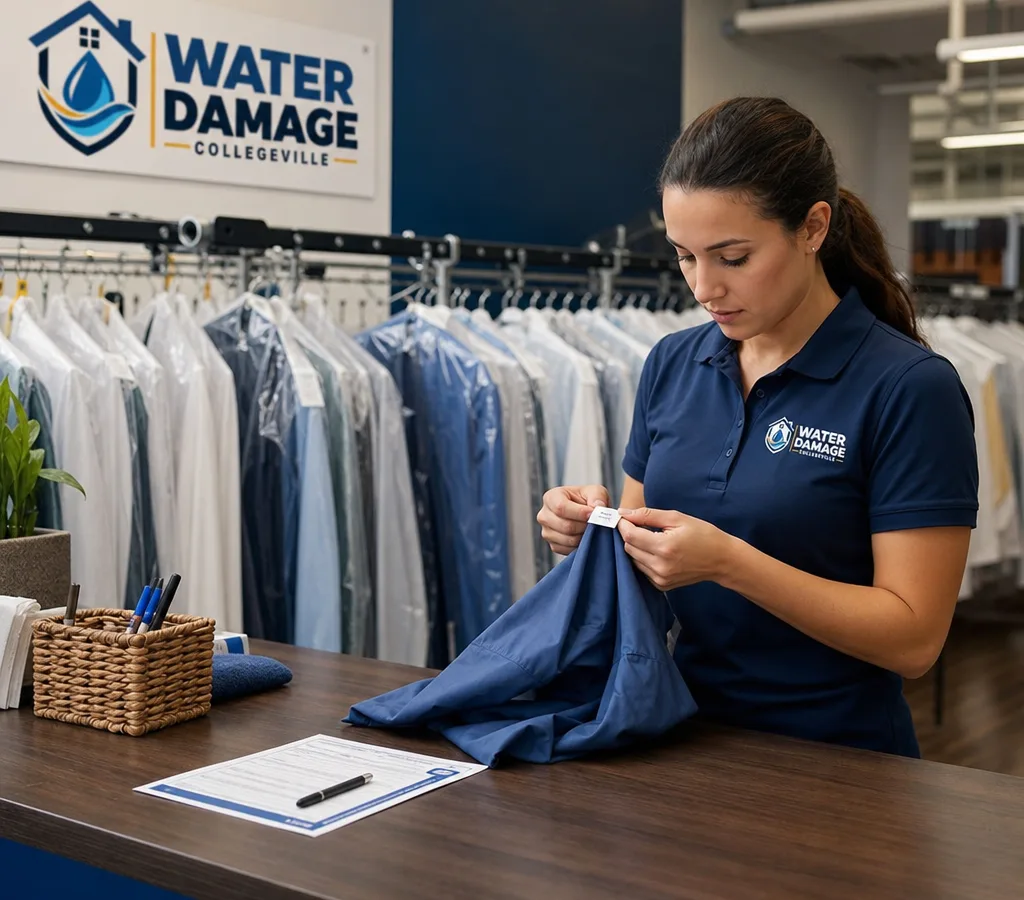
If you are searching for dry cleaners in Collegeville PA, you are usually trying to solve one of three problems: clothing needs to look sharp again, a stain or odor is not coming out at home, or you have fabrics that cannot be safely washed and dried in a standard machine.
At Water Damage Collegeville, our work starts with identifying fabric type, construction, and risk points such as interlinings, trims, dyes, buttons, and beads. We check care labels, but we do not rely on them alone. Many garments need a conservative approach even when the label looks simple, especially structured jackets, lined skirts, and garments with adhesive components.
A professional cleaner should be able to explain, in plain language, what is realistic for a specific item. Some stains will lighten rather than disappear. Some dyes can shift. Some odors need more than one round of treatment. The goal is to restore appearance and wearability while protecting the fabric, color, and shape.
Collegeville sits along a busy Route 29 and Ridge Pike corridor, and that daily mix of commuting, dining, and outdoor errands shows up on garments as road grime on pant hems, food and beverage spots, body oils on collars, and occasional mildew odor after clothing is left in a trunk or damp basement.
Shape retention matters. We focus on cleaning that protects structure and finishing that restores a crisp look without over-pressing seams.
From simple cocktail dresses to layered or embellished pieces, we inspect trims and test for color stability before full cleaning.
We target set-in body oils, perspiration odor, and ground-in soils while keeping creases and overall fit consistent.
Silk, wool, rayon/viscose, and blends often respond best to controlled cleaning and finishing rather than home wash cycles.
We treat surface soils, cuffs, and collars, then finish to restore drape and reduce odors from storage.
Certain comforters, throws, and decorative covers can be cleaned and dried with attention to fill, stitching, and shrink risk.
The difference between a good outcome and a ruined garment is often what happens before cleaning starts. We look at the stain type and the fabric, then choose the least aggressive method that still has a reasonable chance of improvement.
You will usually get the best result when the item comes in quickly and the stain has not been heat-set. If you used a home dryer, an iron, or a hot car trunk, tell us. That history changes how we treat it.
We also watch for hidden risks that matter on real clothing: fused interlinings that can bubble, unstable dyes that can bleed, shoulder pads that can distort, and trims that may not tolerate solvents or moisture. A quick intake review helps prevent surprises.
If your clothing was impacted by a leak or storm and you are trying to stabilize items fast, keep them cool, avoid sealing damp items in airtight bins, and separate light and dark colors. Even a short period of damp storage can lead to mildew odor that takes more time to remove.
For an overview of the company and the area we serve around ZIP 19426, Water Damage Collegeville PA shares the basics of how to reach our team and what to expect when you start a job.
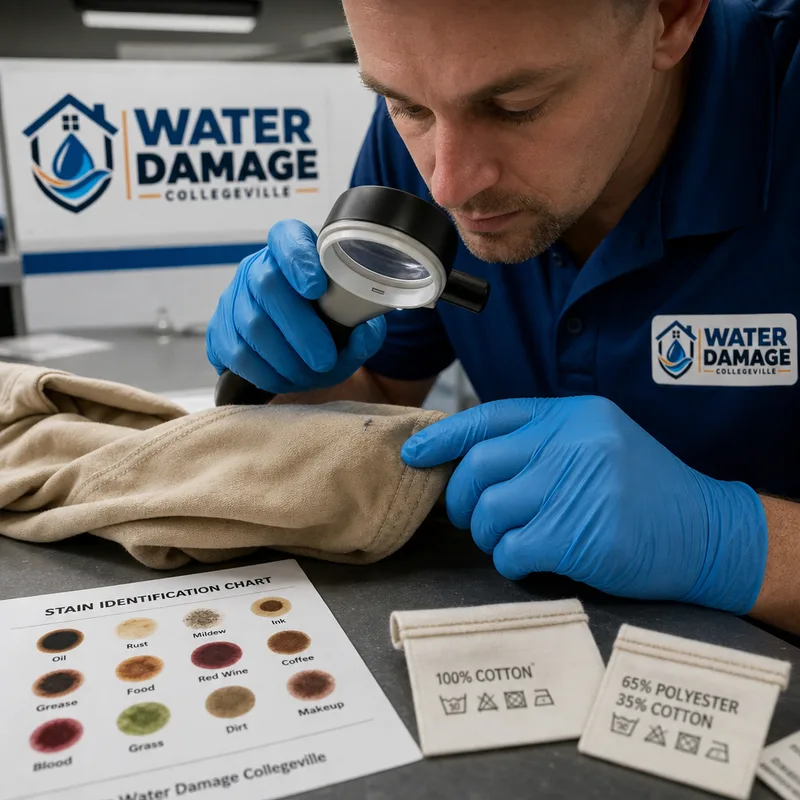
We confirm the item type, note stains and wear areas, and flag any trims or construction details that affect cleaning risk and finishing.
We use targeted spotting methods based on what is most likely: protein, oil, tannin, dye transfer, or unknown combination stains.
The approach depends on fabric, dye stability, and structure. Some items need a more conservative cycle or special handling to protect shape.
We dry and finish with attention to shrink risk and texture changes, then press or steam to restore a wearable, polished look.
We re-check stain areas, look for missed spots, and package to keep garments clean and wrinkle-resistant for pickup.
Most dry cleaning in Collegeville typically runs about $10 to $25 per item for everyday pieces, with suits commonly around $20 to $45 and specialty items such as formalwear, heavy coats, and delicate fabrics often $25 to $80+. Pricing varies by item construction, fabric type, stain level, and any odor or restoration steps.
Final cost changes most when stains need extra spotting time, when garments have linings or trims that require careful handling, or when an item needs special finishing to keep its shape. The exact price is confirmed after we inspect the garment and understand what you want restored.
“I brought in a suit that had a stubborn collar stain and a musty smell after being stored too long. It came back crisp, the odor was gone, and the fabric still felt like itself.”
“They explained what they could realistically remove on a light-colored dress and what might remain faint. The result was better than I expected and the finish looked clean, not over-pressed.”
Turnaround depends on item type and workload, but many everyday garments can be completed within a few days, while specialty pieces and items needing stain or odor work often take longer. If you have a deadline for a wedding, interview, or travel, tell us at drop-off so we can confirm what is realistic for that specific item.
Yes, mildew and musty odors are often treatable, but success depends on how long the item stayed damp and whether mold growth occurred. The best next step is to bring the garment in as soon as possible and avoid storing it sealed while damp, because trapped moisture makes odor harder to remove and can set staining.
Keep it cool, keep it breathable, and separate light and dark items. Hang garments to air out if you can, or place them loosely in a clean bag with airflow rather than in an airtight container; this reduces the chance of dye transfer and odor while you arrange drop-off.
These fabrics can usually be cleaned safely when the method and finishing are chosen for the fabric and construction. Risk is highest with unstable dyes, fused interlinings, and garments that have already been stressed by heat, so we inspect each item and take a conservative approach when needed.
Some stains are partly invisible until the garment dries or is pressed, especially sugar-based spills, deodorant residue, and certain oils. When a stain reappears, it often needs a second targeted spotting step rather than another full clean, which is why we focus on identifying stain type at intake.
It can be, but trims add variables. We check for glued components, delicate finishes, and dyes that may react, and we may recommend a modified process or hand cleaning for certain embellished garments to reduce the chance of damage.
Bring in the items that are bothering you most, whether it is a stain, a lingering odor, or a garment you cannot risk washing at home. We will inspect it first, explain the options, and confirm expectations before treatment starts.